News
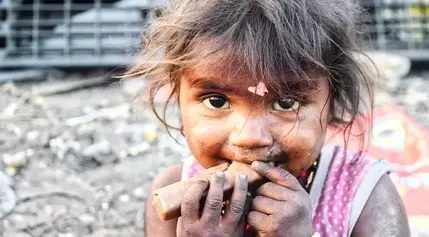
Tackling the Interlinked Crises of Food Insecurity, Climate Change, and Conflict: Innovative Approaches for Greater Impact
The world is facing a growing crisis of food insecurity, with millions of people struggling to access adequate and nutritious food. This challenge is further exacerbated by the impacts of climate change and ongoing conflicts, creating a complex web of interconnected challenges. However, a new wave of integrated programming is emerging, offering a promising path forward to address these multifaceted issues more effectively.Unlocking Synergies: Integrating Food Security, Climate Resilience, and Peacebuilding Interventions
Overcoming Barriers to Integrated Approaches
Integrating food security, climate resilience, and peacebuilding efforts has long been recognized as a logical and impactful approach, yet it has been slow to materialize in practice. The barriers to such integration are multifaceted, ranging from incompatible organizational mandates and mistrust between actors to the inherent complexities and uncertainties surrounding peacebuilding work.Humanitarian, development, and peacebuilding organizations often operate in distinct silos, focused on their respective areas of expertise. This can lead to a lack of coordination, duplication of efforts, and even working at cross-purposes. Additionally, concerns over compromising principles of neutrality and independence can make some humanitarian actors wary of engaging in peacebuilding activities.The inherent challenges of peacebuilding, with its slow and subtle outcomes, can also deter organizations from incorporating it into their programming. Structural differences in methods, funding cycles, and organizational cultures further compound the difficulties in aligning interventions and establishing effective partnerships.The Sahel Resilience Partnership: A Promising Model
Despite these obstacles, innovative programs have emerged that demonstrate the potential of integrated approaches. One such example is the Sahel Resilience Partnership, a collaboration between the Deutsche Gesellschaft für Internationale Zusammenarbeit (GIZ), the World Food Programme (WFP), and the United Nations Children's Fund (UNICEF).Established in 2024, the Sahel Resilience Partnership focuses on four key areas: enhancing food and nutrition security, increasing climate adaptation capacity, improving community relations and peaceful conflict resolution, and strengthening social protection systems. This comprehensive approach aims to address the interlinked challenges faced by communities in Burkina Faso, Chad, Mali, Mauritania, and Niger.The partnership's design strengths lie in its ability to align multiple sectors and leverage synergies between food security, climate adaptation, and peacebuilding interventions. By addressing immediate humanitarian needs, investing in long-term development, and promoting social cohesion, the Sahel Resilience Partnership seeks to build resilience and break the cycle of recurring shocks.Importantly, the partnership has also established a broad network of over 90 implementing partners, including national governments, non-governmental organizations, and international financial institutions. This collaborative approach has contributed to securing long-term funding and accessing a diverse pool of expertise, enhancing the initiative's potential for sustainable impact.Advancing Integrated Approaches in Fragile Contexts
The Sahel Resilience Partnership offers a promising model for addressing the complex and interconnected challenges of food insecurity, climate change, and conflict. By aligning interventions across multiple sectors and fostering collaboration between diverse stakeholders, this initiative demonstrates the power of integrated programming to enhance aid effectiveness.However, the path forward is not without its challenges. Integrated approaches demand new forms of collaboration, both within and between organizations, as well as innovative funding models that incentivize such programming. Additionally, a broader systems-level approach is required, engaging individuals, local communities, and governments to build resilience and address the root causes of these interlinked crises.As the world grapples with the escalating food security crisis, the need for innovative and integrated solutions has never been more pressing. The Sahel Resilience Partnership offers a blueprint for how to harness the synergies between food security, climate adaptation, and peacebuilding, paving the way for more effective and impactful interventions in fragile contexts.