News
The Resounding Impact of the Video Game Voice Actor Strike: Navigating the Industry's Shifting Landscape
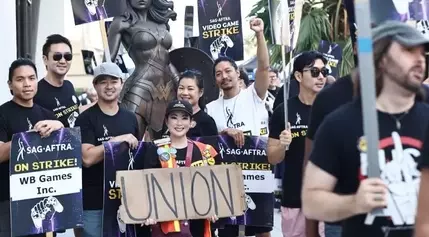
The video game industry has long been a dynamic and ever-evolving landscape, with voice actors playing a crucial role in bringing virtual worlds to life. However, a recent strike by the Screen Actors Guild-American Federation of Television and Radio Artists (SAG-AFTRA) has sent shockwaves through the industry, leaving both performers and developers grappling with the implications. In this comprehensive exploration, we delve into the intricacies of the strike, its impact on video game performers, and the broader implications for the industry as a whole.Uncovering the Voices Behind the Pixels: The Vital Role of Video Game Performers
Video game voice actors are the unsung heroes of the industry, responsible for imbuing characters with depth, emotion, and authenticity. From the gruff-voiced protagonist to the whimsical sidekick, these performers breathe life into the virtual worlds we immerse ourselves in. Their contributions extend far beyond mere dialogue, as they also lend their talents to motion capture and stunt work, elevating the overall gaming experience.The Challenges of the Craft: Navigating the Complexities of Video Game Performance
The art of video game performance is a multifaceted endeavor, requiring a unique set of skills and adaptability. Actors must not only master the nuances of voice acting but also seamlessly integrate physical movements and facial expressions to create a cohesive and believable character. The demands of the industry often push performers to their limits, as they navigate the complexities of recording sessions, motion capture studios, and the ever-evolving nature of game development.Amplifying the Voices: The Importance of Fair Compensation and Residuals
At the heart of the ongoing strike lies the issue of fair compensation and residuals for video game performers. Actors have long advocated for improved working conditions, including increased pay, better benefits, and a fair share of the profits generated by the games they help create. The strike aims to address these concerns, ensuring that the individuals responsible for bringing these virtual worlds to life are adequately recognized and rewarded for their contributions.Navigating the Shifting Landscape: The Impact of the Strike on the Video Game Industry
The reverberations of the SAG-AFTRA strike are being felt across the video game industry, as developers and publishers grapple with the challenges posed by the ongoing dispute. The strike has disrupted production schedules, delayed the release of highly anticipated titles, and raised questions about the future of voice acting in the industry. As both sides work to find a resolution, the industry is forced to confront the importance of valuing the contributions of its performers and the need for more equitable practices.Forging a Path Forward: Exploring Potential Solutions and the Future of Video Game Voice Acting
As the strike continues, industry stakeholders are exploring potential solutions to bridge the divide and find a path forward. This may involve renegotiating contracts, implementing new compensation models, and fostering a more collaborative environment between performers and developers. The future of video game voice acting will likely be shaped by the outcome of this dispute, with the potential for lasting changes that could redefine the industry's relationship with its talented performers.