Lifestyle
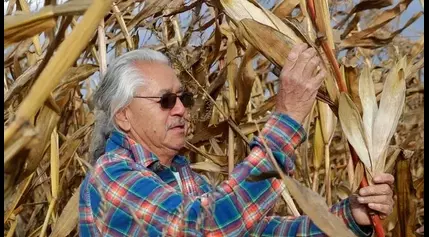
Nourishing Traditions: Tribal Elders Reconnect with Indigenous Food PracticesTucked away in the heart of Milwaukee, a small health center is playing a vital role in preserving the cultural heritage and improving the health of Native American communities across Wisconsin. The Tribal Elder Food Box program, a collaborative effort between various organizations, is not just about providing nutritious sustenance - it's about reconnecting elders with the traditions, flavors, and spiritual essence of their ancestral food ways.
Reviving the Roots of Native Foodways
Reclaiming Traditional Foods
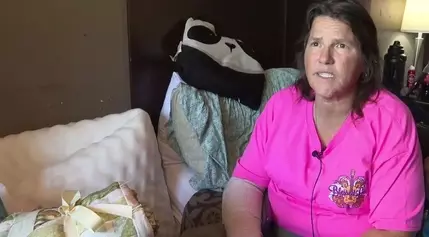
The Tribal Elder Food Box distribution at the Gerald L. Ignace Indian Health Center is a monthly event that brings together Native elders seeking a connection to their culinary heritage. The boxes, filled with ingredients like white fish, cranberries, maple sugar, zucchini, kale, and sweet corn, are sourced from Native producers in Wisconsin and Minnesota and distributed by the Great Lakes Intertribal Food Coalition. For many of the elders, these boxes represent more than just a source of sustenance - they are a lifeline to the traditional practices and flavors that were once the foundation of their communities. Wanda Lee Corn, a 71-year-old regular recipient, particularly enjoys the fish, a staple in her traditional diet. "Foods are just so expensive now," she laments, echoing the sentiments of many others who rely on the program to offset the rising cost of groceries.Reconnecting with the Land
The Tribal Elder Food Box program is more than just a food distribution effort; it's a catalyst for cultural revitalization. Carolee Dodge Francis, a member of the Oneida Nation and a professor at the University of Wisconsin-Madison, has been instrumental in the program's development. Growing up on the Menominee reservation, Dodge Francis' connection to the land and traditional food practices was deeply ingrained. "We hunted, we fished, we gathered berries, we had gardens," she recalls. "That relationship with the land was how I grew up." This holistic approach to food, where it is viewed as both nourishment and medicine, is the driving force behind her work.Addressing Health Disparities
The program's impact extends beyond the cultural significance of traditional foods. It also addresses the pressing health concerns facing many Native communities. Lisa Albright, the health promotion and disease prevention team leader at the Gerald L. Ignace Indian Health Center, notes that the prevalence of chronic conditions like diabetes is alarmingly high among Native people, who are twice as likely to have the disease as their white counterparts.The shift away from traditional food practices, a result of decades of displacement and forced assimilation, has led to a reliance on processed, nutrient-poor foods. "Some of our tribes were no longer on their traditional lands," Dodge Francis explains, "so the government stepped in with canned meat, lard, flour, processed cheese, corn syrup and other things that weren't nutritionally similar to traditional foods."Building a Sustainable Future
The Tribal Elder Food Box program is just the beginning of a larger initiative to revitalize Native food systems in Wisconsin. A recent million grant from the U.S. Department of Agriculture's National Institute of Food and Agriculture will help expand the network of Native food producers and strengthen the supply of traditional ingredients.The project, a collaboration between UW-Madison, the Menominee Indian Tribe of Wisconsin, and the Wisconsin Tribal Conservation Advisory Council, aims to not only reconnect Native people with their culinary heritage but also to promote sustainable, ecosystem-friendly agriculture practices. Bill Tracy, a professor of plant and agro-ecosystem sciences at UW-Madison, will be working alongside tribal producers to increase the supply of traditional foods while respecting the values and practices of Native communities. "It will be a shift in the approach I was trained in," he acknowledges, "but we're being anchored by the values of our tribal partners. They want to rebuild their communities."As the Tribal Elder Food Box program continues to grow, the impact extends beyond the walls of the health center. It's a testament to the resilience and determination of Native communities to reclaim their cultural identity, improve their health, and build a more sustainable future.