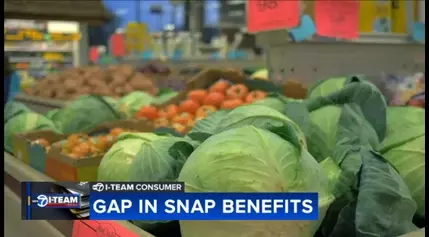
Bridging the SNAP Benefit Gap: Ensuring Adequate Nutrition for Vulnerable Families
In a concerning revelation, a recent study by the Urban Institute research group has shed light on the growing disparity between the Supplemental Nutrition Assistance Program (SNAP) benefits received by millions of Americans and the actual cost of providing a modest, nutritious meal. As food prices continue to rise, this gap has become increasingly problematic, leaving many SNAP recipients struggling to make ends meet and maintain a healthy diet for their families.Empowering Families, Strengthening Communities: The Urgent Need to Bolster SNAP Benefits
The Widening Meal Cost-Benefit Divide
The study conducted by the Urban Institute revealed a concerning trend – the average maximum SNAP benefit in 2023 was only .84 per meal, a full {{royaItemContent}}.53 less than the average cost of a modestly priced meal, which stands at .37. This discrepancy has significant implications for the millions of Americans who rely on SNAP as their primary source of food assistance.For individuals like June Campbell, who depends solely on Social Security and SNAP benefits to sustain herself, the inability to stretch her food stamps to cover the rising cost of groceries has become a daily struggle. "Without the food benefits, I wouldn't be able to eat," she laments, highlighting the vital role SNAP plays in ensuring basic sustenance for vulnerable populations.
The Cascading Consequences of Inadequate SNAP Benefits
The shortfall in SNAP benefits has far-reaching consequences that extend beyond individual households. Elaine Waxman, a senior fellow at the Urban Institute, emphasizes the broader societal impact, noting that "the SNAP program, while we know is very effective in reducing food insecurity, is really under-resourced and is not providing enough resources for people to really put food on the table."When SNAP benefits fall short, families are forced to adopt coping strategies that can have detrimental effects on their health and well-being. These strategies may include purchasing cheaper, less nutritious but more calorie-dense options, or turning to charitable food sources. Waxman warns that this pattern can lead to increased risks of chronic conditions like diabetes and hypertension, ultimately driving up healthcare costs for the entire community.
Lessons Learned from the COVID-19 Pandemic
The COVID-19 pandemic provided a glimpse into the transformative power of SNAP benefits. During this period, recipients received a temporary boost in their assistance, which Waxman says "dropped food insecurity dramatically, despite the fact that a lot of people were temporarily out of work or facing other cost pressures." This temporary measure demonstrated the profound impact that increased SNAP funding can have on alleviating food insecurity and improving overall health outcomes.However, as the pandemic-era boost in SNAP benefits expired, the underlying challenges have resurfaced, underscoring the urgent need for a more permanent and comprehensive solution. Waxman emphasizes that the lessons learned during the pandemic should serve as a catalyst for policymakers to reevaluate and strengthen the SNAP program, ensuring that it keeps pace with the rising cost of living and provides adequate resources for families to maintain a nutritious diet.
Bipartisan Efforts to Expand SNAP Assistance
In response to the growing concerns surrounding SNAP benefits, Illinois Congressman Jonathan Jackson, who sits on the Agriculture Committee, has expressed a commitment to actively engage in efforts to expand the program through the upcoming bipartisan farm bill. The current farm bill, which serves as the primary legislative vehicle for SNAP and other food assistance programs, is set to expire in September, providing an opportunity for lawmakers to address the shortcomings and ensure that SNAP benefits adequately meet the needs of vulnerable families.As the debate around the farm bill unfolds, consumer advocates and public health experts are urging policymakers to prioritize the expansion of SNAP benefits. They argue that strengthening this vital program not only benefits the individuals and families who rely on it but also has far-reaching implications for the overall health and well-being of communities across the country.