Rocksteady’s Arkham Asylum Was the Bat-Blueprint
Unveiling the Enduring Legacy of Batman: Arkham AsylumThe gaming landscape has witnessed a remarkable evolution in the superhero genre, with recent years delivering a string of impressive releases. However, this was not always the case, particularly when it came to the iconic Dark Knight. Batman's ventures into the digital realm had a tumultuous history, until Rocksteady Studios and Warner Bros. seized the opportunity to craft a definitive experience that would cement the character's legacy in the medium.
Redefining the Superhero Gaming Experience
Arkham Asylum: A Groundbreaking Masterpiece
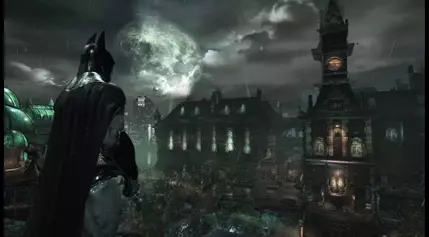
When Batman: Arkham Asylum first hit the shelves in 2009, it was a game-changing moment for the superhero gaming genre. Rocksteady Studios and Warner Bros. went to great lengths to ensure that this title would be a true reflection of the Dark Knight's essence, crafting an original story and universe that set it apart from the typical film or animated series adaptations. Enlisting the talents of writer Paul Dini, along with the iconic voice cast of Kevin Conroy, Arleen Sorkin, and Mark Hamill, the developers created an experience that was both critically and commercially acclaimed.Arkham Asylum's success was undeniable, earning numerous accolades, including a Guinness World Record for the best-reviewed superhero game ever. The game's blend of thrilling combat, immersive stealth mechanics, and a compelling narrative captivated players, cementing its status as one of the greatest superhero games of all time, if not the very best.Timeless Craftsmanship and Enduring Appeal
One of the most impressive aspects of Arkham Asylum is its timeless quality. Despite the game's age, having been released during the PlayStation 3 and Xbox 360 era, it still holds up remarkably well today. The game's confident execution and attention to detail are evident, as if it were the work of a seasoned studio, rather than Rocksteady's second outing.The core gameplay loop, which seamlessly blends combat and stealth, remains satisfying and engaging even after multiple playthroughs. The gradual unveiling of the asylum and the acquisition of new gadgets that open up the environment further add to the sense of exploration and progression, keeping the experience fresh and captivating.A Defining Moment in Batman's Legacy
Arkham Asylum's release coincided with a significant surge in the Dark Knight's popularity. With the recent success of the blockbuster film The Dark Knight and the ongoing popularity of the animated series Batman: The Brave and the Bold, Batman was once again at the forefront of pop culture. Rocksteady's groundbreaking title not only capitalized on this renewed interest but also became a crucial part of the character's expanding media landscape.The game's influence can be seen in the waves it created, with its innovative gameplay mechanics and design choices inspiring a generation of action-adventure titles. From the fluid combat and stealth systems to the implementation of a "detective mode" that allows players to see through walls, Arkham Asylum's impact can be felt across a wide range of games, including Insomniac's Spider-Man and Monolith's Middle-earth: Shadow of Mordor/War.Uniquely Immersive and Atmospheric
Despite the numerous imitators that have emerged in the wake of Arkham Asylum's success, the game remains uniquely compelling and atmospheric. The sense of unease and tension that permeates the asylum, even with the player taking on the role of the caped crusader, is a testament to the game's masterful execution.At its best moments, Arkham Asylum truly feels like a cinematic experience, akin to reading a captivating comic book arc or watching a high-quality television series. The game's attention to detail and the seamless integration of its narrative and gameplay elements create an immersive experience that few superhero games have been able to replicate.One of the game's most memorable features, which has yet to be fully emulated by its successors, is the inclusion of unique game over screens. When players fail, the villains taunt and mock the Dark Knight, further reinforcing the sense of immersion and the gravity of the situation. These taunts not only add to the frustration of failure but also serve to deepen the player's investment in the game's world and characters.